TL;DR.
I designed the end-to-end payment risk experience — from real-time transaction interception to in-product chargeback workflows.
This work turned a black-box process into a transparent, trackable system that helps merchants protect revenue and respond to disputes with confidence.
context.
Online payments introduced a new kind of risk for restaurant operators.
When fraud or disputes happened, merchants often didn’t know:
• why a payment was blocked
• why a dispute appeared weeks later
• what to do next
• whether they would recover the money
Payments felt like a black box.
The real problem wasn’t only financial loss — it was loss of control.

challenge — balancing risk, revenue, and conversion.
We had to design for three competing forces:
• Stop fraudulent transactions before payment
• Avoid blocking legitimate customers
• Keep checkout friction low to protect conversion
Every extra step reduces fraud — but also reduces revenue.
At the same time, chargebacks created a long and confusing recovery journey involving banks, deadlines, and evidence submission.
Merchants needed visibility, control, and guidance.
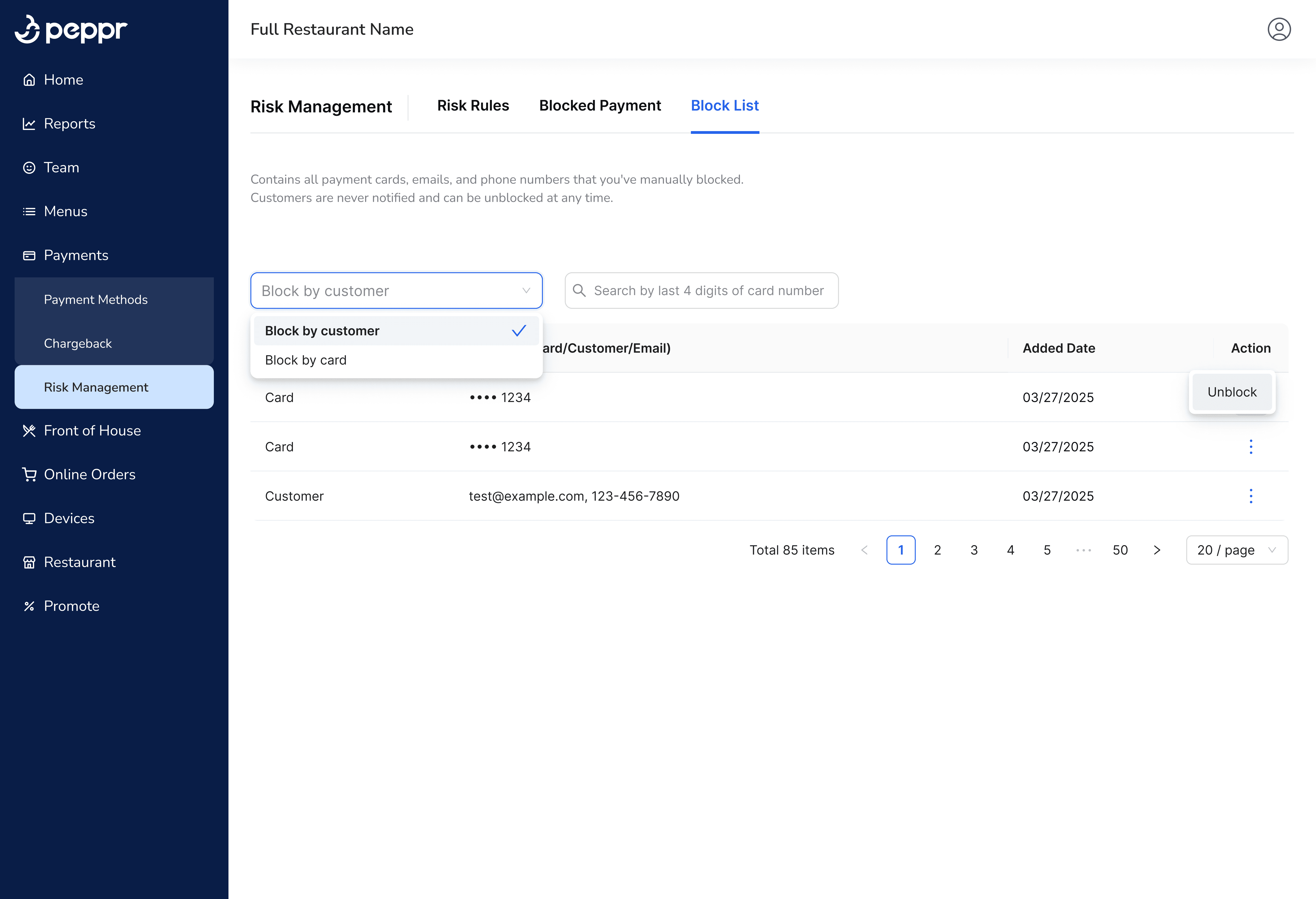
solution1: preventing risk before payment.
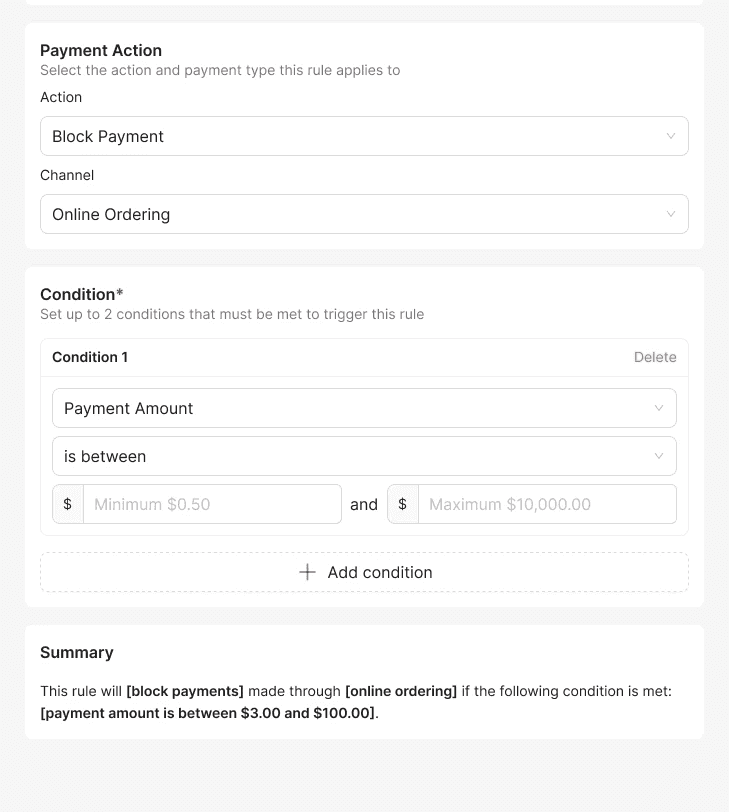
We introduced a configurable risk engine that allows merchants to control how suspicious payments are handled, merchants can create rules to control how suspicious payments are handled in real time.
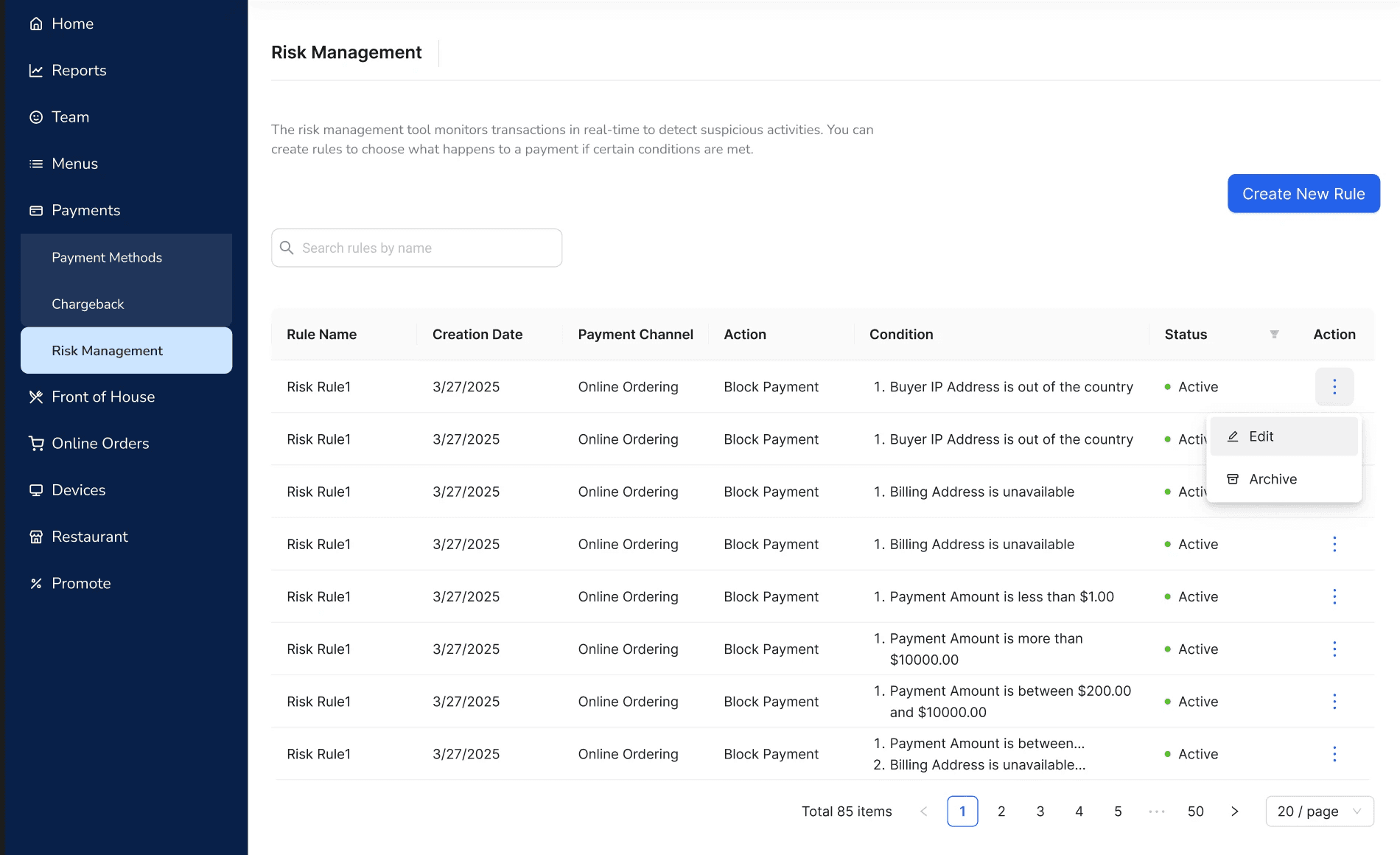
Instead of treating all transactions the same, we designed risk-based interception using signals such as order value, payment history, and fraud signals from the processor.
We also introduced graduated friction:
Low risk → seamless checkout
Medium risk → additional verification
High risk → payment blocked
This reduced fraud exposure while protecting conversion
solution2: fighting chargebacks after they happen
Fraud prevention wasn’t enough.
Merchants also needed help when disputes occurred weeks later.
Previously, chargebacks were handled through emails and manual processes.
We transformed them into a structured workflow inside the product.
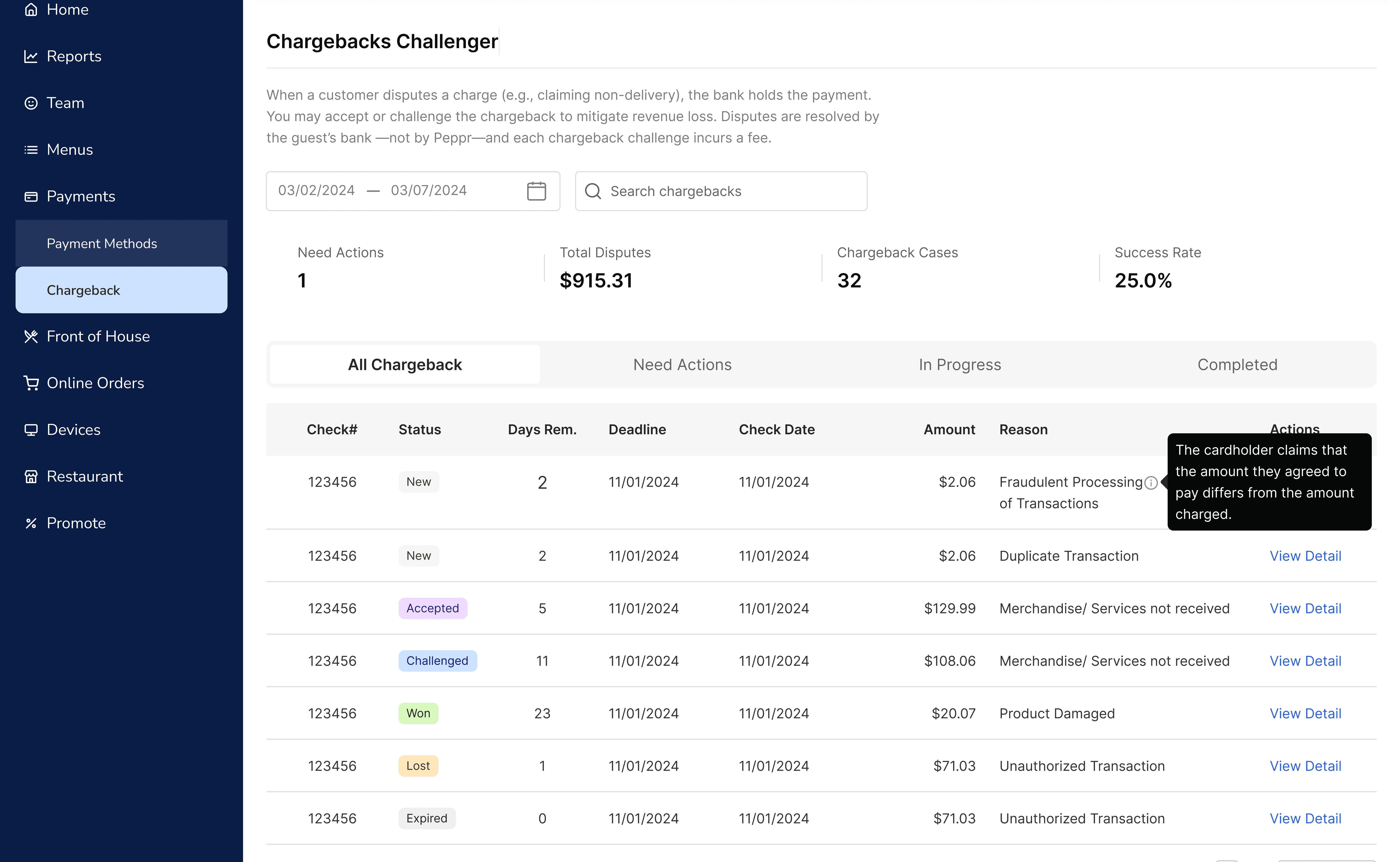
Merchants can now quickly see which disputes need attention, what stage they are in, and what action to take next.
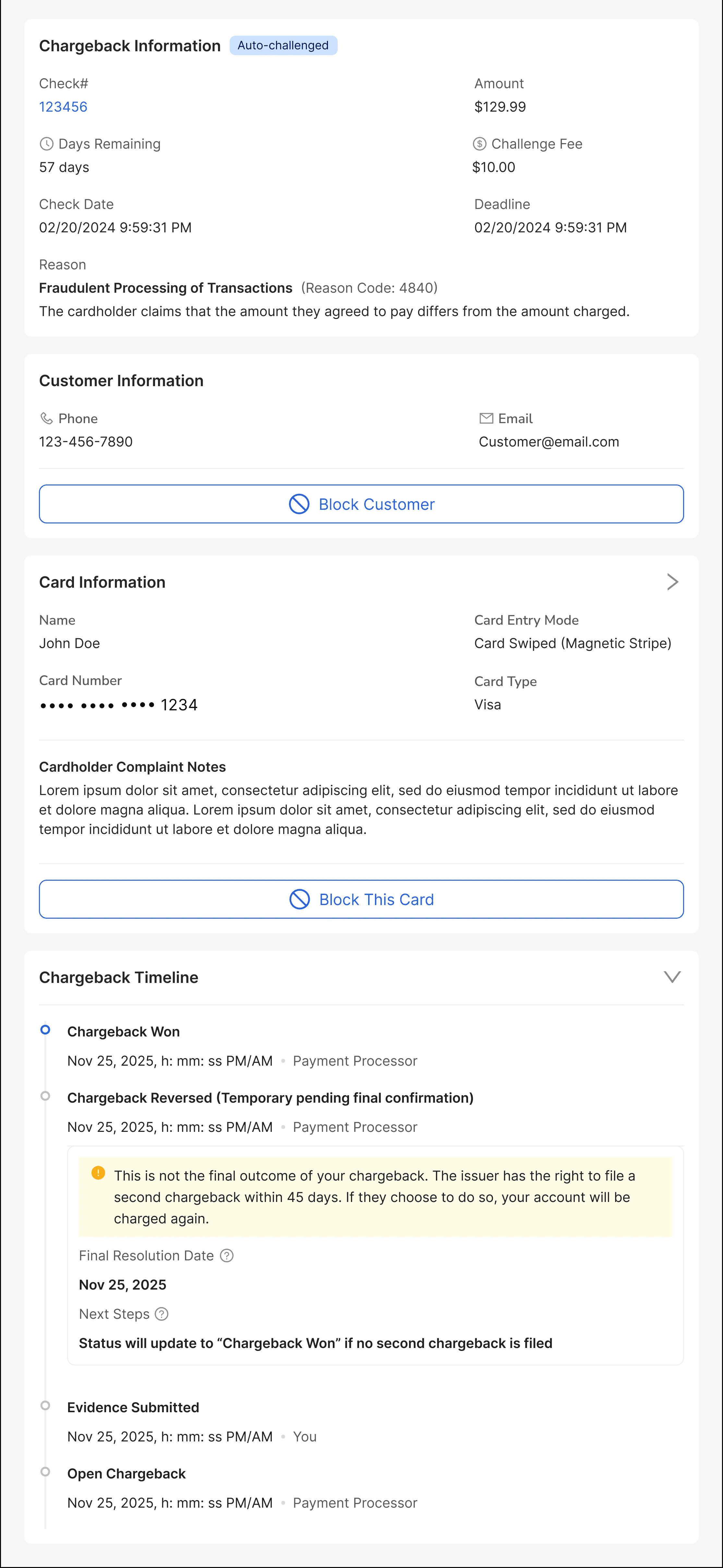
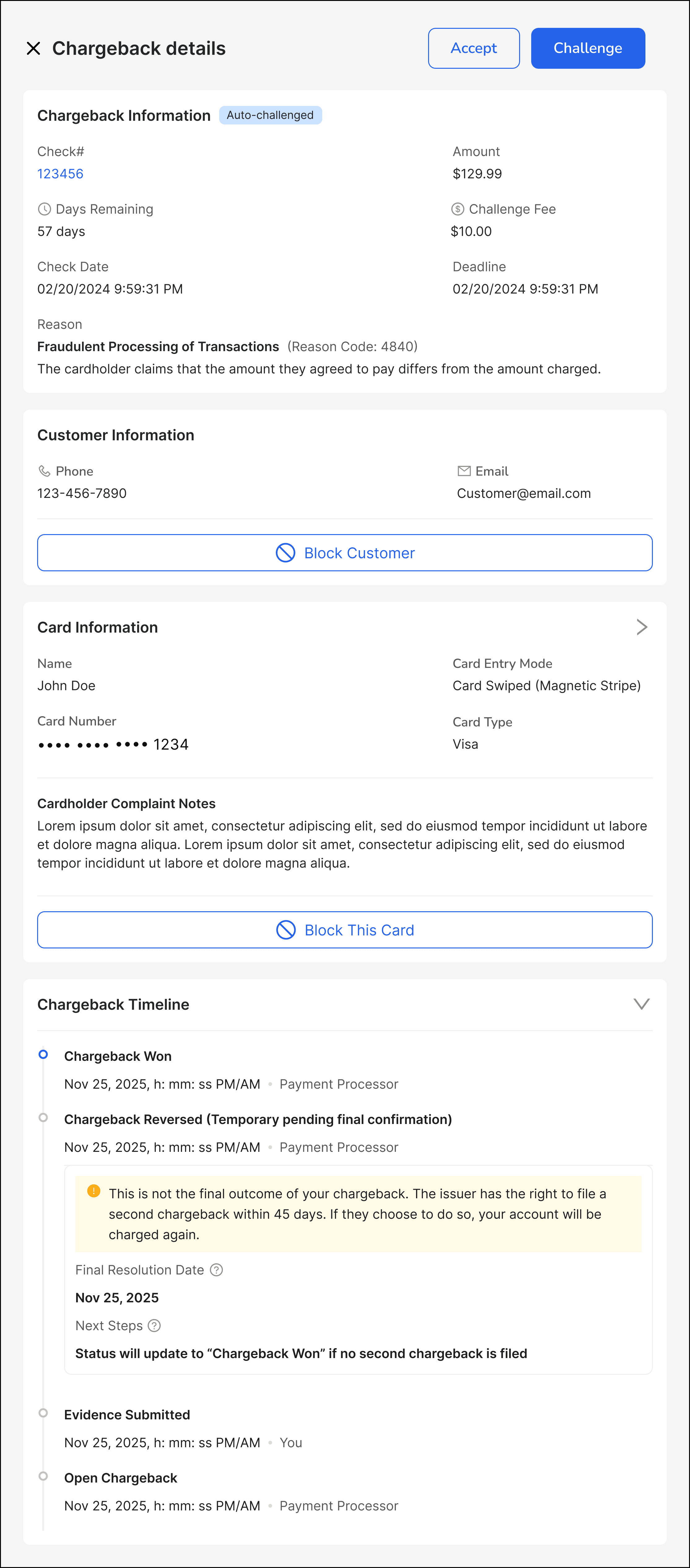
We then designed the chargeback detail experience to guide merchants through the recovery process.
Key improvements:
• Clear dispute timeline
• Deadline visibility
• Guided evidence submission
• Relevant transaction data pre-collected
outcome.
This work resulted in:
• Reduced payment-related support inquiries
• Faster dispute response times
• Increased merchant confidence
• Greater transparency across the payment lifecycle